Flooded Wiring After a Storm: Why New Orleans Homes Need an Electrical Inspection
When floodwaters submerge your home’s electrical system, dried-out wiring and components still present serious fire and electrocution hazards. Water intrusion leaves behind trapped contaminants, corrosion, and compromised connections that won’t show up during visual inspection. An electrician must inspect and test all systems before restoration and re-energization.
Why Flooded Wiring Cannot Be Salvaged
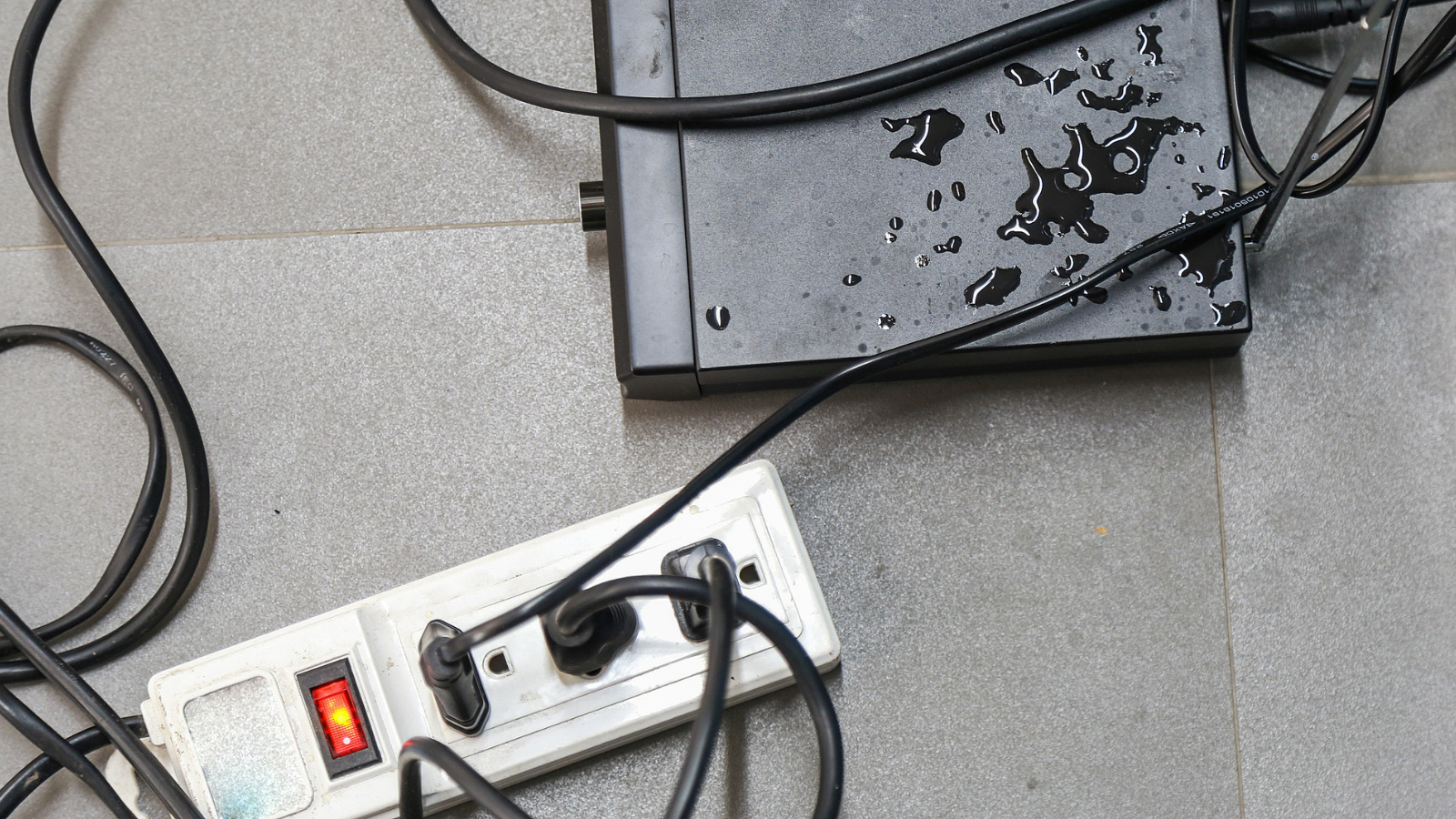 Submerged copper conductors corrode at the molecular level during and after water exposure. Water carries silt, salt, and minerals directly into the stranded copper inside cables. Once dry, these particles remain trapped inside insulation, continuing to corrode the metal. The corroded conductor becomes brittle and loses its ability to safely carry current.
Saltwater penetration is especially aggressive in this region, and breaker terminals are just as vulnerable. Water seeps between conductors and termination screws, where it oxidizes the copper underneath. A corroded breaker may appear sound but will overheat under load, creating fire risk.
Water also travels vertically inside cables and conduit far beyond the visible waterline. Moisture wicks upward through cable sheathing, spreading damage to circuits and equipment above the actual flood level. This hidden damage is why no rewiring should proceed without professional inspection and testing.
What Gets Replaced Versus What Might Remain
Any wire, cable, or component that contacted floodwater needs replacement per code and manufacturer guidance. This includes the main service entrance, breakers, outlets, switches, and branch wiring below the high-water mark and several feet above it. Conduit and raceways may be reused if thoroughly cleaned and dried, but visible corrosion or pitting requires removal and replacement. Permits are required for all flood restoration work. The local electrical inspector must verify that replacements meet current code standards. Your ELECTRICIAN will photograph all exposed components, creating a critical record for insurance claims.
The Safe Sequence After Water Damage
Do not enter standing water near your electrical service. Water conducts electricity, and live circuits can be lethal. Contact your utility company to cut power at the main line. Do not attempt to reset breakers or re-energize anything yourself, even if power appears restored.
After water recedes, leave all electrical systems off until a licensed electrician inspects and clears them. Keep all circuit breakers in the off position. Do not use any electrical appliances or lights until inspection is complete. Moisture takes time to fully evaporate from conduit, junction boxes, and connection points. Premature restart risks electrocution, fire, or equipment damage.
The electrician will verify that utility power is properly disconnected, then conduct a full visual and testing inspection before recommending re-energization.
What an Electrician Inspects After Flooding
An inspection after water damage is methodical and thorough. The electrician checks the main service panel, breaker contacts, and terminals on every breaker. They examine all visible wiring, outlets, switches, and light fixtures below the high-water mark and several feet above it because water wicks upward inside cables and conduit.
Testing includes checking for continuity, insulation integrity, and ground resistance. The electrician looks for corrosion, pitting, discoloration, or moisture inside junction boxes and conduit. They verify that any water heater, air handler, furnace, or hardwired appliance is safe to operate. Based on these findings, they provide a written report detailing what’s safe, what requires replacement, and the scope of restoration work.
Working with Insurance and Documentation
Your insurance claim requires detailed documentation of damage. Photographs taken by the electrician during inspection are critical evidence. The inspection report, including findings and recommendations, forms the basis of your claim. Before hiring an electrician, contact your insurance adjuster. Some policies require the adjuster to view conditions before work begins.
Once repairs start, take additional photos showing old damaged components and new replacements. Keep all invoices, receipts, and work orders. Your electrician should provide a detailed invoice listing every component replaced and labor hours. Insurance adjusters understand that flood-damaged electrical work requires full replacement of exposed systems.
Regional Corrosion Factors in New Orleans
New Orleans’ humid climate and slab-on-grade construction accelerate electrical corrosion after water damage. High humidity keeps materials damp for extended periods, extending oxidation long after visible water is gone. The region’s soil is often saturated, meaning water doesn’t drain away quickly beneath foundation-level electrical work.
Many older New Orleans homes have conduit and wiring embedded in concrete slabs or below-grade spaces. These areas trap moisture and create ideal conditions for corrosion to accelerate. Even after the building dries, moisture in the surrounding soil keeps the process going, and salt air adds corrosive minerals to everything water touches. This is why electricians in the New Orleans area recommend full replacement of water-damaged systems rather than attempted repairs.
Frequently Asked Questions
Can I dry out the wiring myself and reuse it?
No. Once conductors contact floodwater, silt and minerals become trapped inside the insulation. These contaminants continue corroding the copper even after drying. Visual inspection cannot detect this damage. Attempting to reuse water-damaged wiring risks fire and electrocution.
How much does a complete electrical inspection cost after flooding?
An inspection typically costs less than major replacement work. Many electricians provide inspections at a fixed rate or include the cost in the final estimate if you hire them for restoration. Contact a licensed New Orleans electrician for a quote specific to your home’s size and damage extent.
Will my homeowner’s insurance cover the electrical restoration?
Most policies cover damage from covered perils such as storms and flooding. However, coverage depends on your specific policy, deductible, and whether repairs meet code requirements. An electrician’s compliance with the National Electrical Code and local permitting standards strongly supports your claim. Always contact your adjuster before work begins.
About MK Electric Man
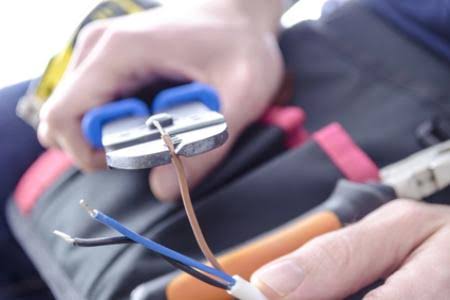
MK Electric Man is a licensed electrical contractor serving New Orleans and the surrounding parishes. We specialize in flood-damaged wiring replacement, panel upgrades, and electrical code compliance for restoration projects. Our electricians handle post-flood restoration from permitting through final inspection.